Tinnitus & Decreased Sound Tolerance Assessment
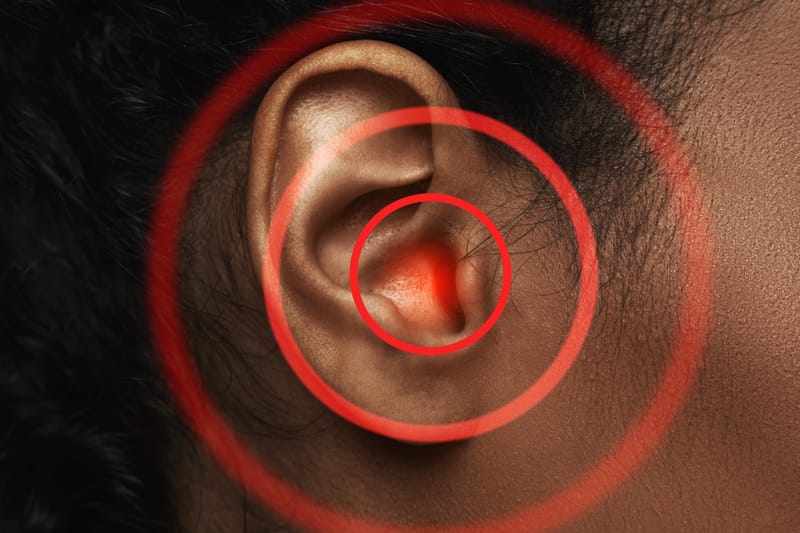
Tinnitus and Decreased Sound Tolerance Services in Ottawa
What Are Tinnitus and Decreased Sound Tolerance?
Tinnitus is the perception of sound in one or both ears, or in the head, without a corresponding external sound source. It is often described as ringing, buzzing, hissing, chirping, clicking, or sounds resembling running water or music. Tinnitus is a symptom rather than a disease and can have various contributing factors, including noise exposure, hearing loss, earwax buildup, certain medications, and head or neck injuries.
Decreased sound tolerance (DST) is a condition in which everyday sounds that are generally comfortable for most people become unusually bothersome, uncomfortable, or difficult to tolerate. Sound sensitivity can affect daily activities, communication, work, and participation in social environments.
Tinnitus and decreased sound tolerance can occur separately or together. If you are experiencing either concern, an audiological assessment can help evaluate your hearing, understand your symptoms, and identify appropriate management options. Depending on your symptoms and assessment findings, referral to an ear, nose, and throat (ENT) physician or another healthcare professional may also be recommended.
Tinnitus and Decreased Sound Tolerance Assessment in Ottawa
A comprehensive assessment helps the audiologist understand your symptoms, hearing status, sound tolerance, and the impact these concerns have on your everyday life.
The assessment may include a review of your medical and audiological history, questionnaires about your symptoms, and a hearing assessment with additional measurements relevant to tinnitus and sound tolerance.
This information helps establish an understanding of your individual needs and guides recommendations for appropriate management.
What Does the Assessment Involve?
During your appointment, the audiologist will discuss your symptoms, relevant medical and hearing history, and how tinnitus or decreased sound tolerance affects your daily activities.
The assessment may include:
- Case history: A discussion of your symptoms, when they began, and any relevant medical or hearing history.
- Questionnaires: Measures to help understand the impact of tinnitus or sound sensitivity on daily life.
- Audiological assessment: Evaluation of hearing status and other relevant aspects of auditory function.
- Tinnitus and sound tolerance measurements: Additional procedures selected according to your symptoms and clinical needs.
- Individualized recommendations: Discussion of findings and appropriate management options based on your assessment results.
Tinnitus and Decreased Sound Tolerance Management
Management recommendations are tailored to your symptoms, assessment findings, and individual needs. Depending on the nature of your concerns, management may include tinnitus counselling, sound-based strategies, education, and approaches to help improve sound tolerance and reduce the impact of symptoms on daily life.
Where appropriate, referral to an ENT physician or another healthcare professional may be recommended as part of your care.
The goal is to help you better understand your symptoms and identify practical strategies to support everyday functioning and quality of life.
Book a Tinnitus or Decreased Sound Tolerance Assessment in Ottawa
If you are experiencing tinnitus, sound sensitivity, or both, Envision Hearing can help you understand your concerns and explore appropriate assessment and management options.
Contact Envision Hearing to learn more about tinnitus and decreased sound tolerance services in Ottawa.